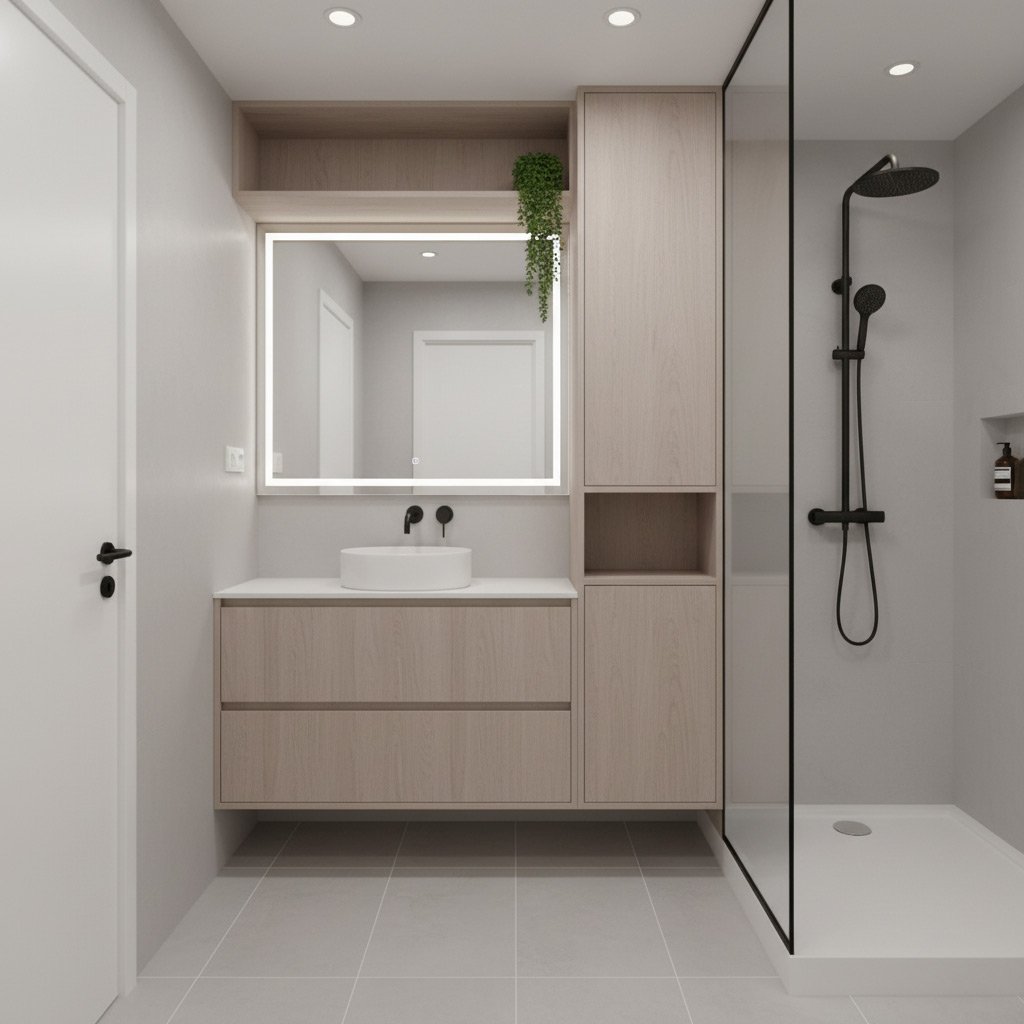
Picture this: you walk into your bathroom and the tub looks like it just rolled out of a showroom, yet you didn’t spend a fortune or endure weeks of demolition.
That’s the promise of a bathtub liner, but the market is flooded with half‑truths that can leave you with a cheap‑look finish or a costly redo.
Living in Mesa means dealing with scorching summers, hard water, and a desert vibe that most installers forget to factor into their pitch.
Ready to cut through the hype and discover what really works for Mesa homeowners? Keep reading and get the facts you can trust.

Understanding Bathtub Liner Materials: Acrylic, PVC, and Gel‑Coat Options
When you pick a liner, you’re choosing a skin for your tub. The material decides how it looks, how long it lasts, and how it handles Mesa’s heat and hard water. Pick wrong, and you’ll be swapping grout for a new liner sooner than you’d like.
Acrylic Liners
Acrylic is the crowd‑pleaser for a reason. It’s glossy, smooth, and mimics the feel of a brand‑new tub.
- Durability: Resists scratches, but can chip if a heavy object drops.
- Heat resistance: Handles desert temperatures without warping.
- Easy to clean – a quick wipe removes soap scum.
PVC Liners
PVC is the budget‑friendly underdog. It’s lighter than acrylic, which can make installation faster.
- Less shine – looks more matte, which some homeowners prefer.
- Prone to yellowing if exposed to UV for long periods.
- Stands up well to hard water stains, a plus in Mesa.
Gel‑Coat Liners
Gel‑coat is the premium play. It’s a resin‑based finish that gives a showroom‑level sheen.
- Ultra‑smooth surface: Hides minor imperfections in the old tub.
- Excellent resistance to chemicals and desert dust.
- Higher price tag, but the look lasts longer than acrylic or PVC.
Mesa Climate Considerations: Heat, Hard Water, and Desert Dust Effects on Liners
Scorching Summers Stretch Materials
When Mesa temperatures climb above 110°F, acrylic and PVC can expand up to 0.5% of their size. That tiny shift can create hairline cracks if the liner isn’t formulated for desert heat. Choose a liner with a reinforced gel‑coat layer – it stays flat and resists warping.
Hard Water = Mineral Nightmare
Our water is packed with calcium and magnesium, which love to cling to any surface. Over time, those minerals can etch the liner’s finish and weaken the adhesive bond.
- Spot‑check the tub after a month; white streaks mean the seal isn’t holding.
- Ask your installer for a water‑softening pre‑treatment before the liner goes on.
- Regular gentle cleaning (no abrasive pads) keeps the surface smooth.
Desert Dust Does More Than Settle
Fine sand blows in with every breeze, and it acts like sandpaper on a fresh gel‑coat. If you let it sit, the liner can look dull in weeks.
Mitigate the damage by sealing vents, using a low‑pile bath mat, and wiping the tub with a microfiber cloth after each use. A quick dust‑off routine saves you a costly refinishing later.
Real Cost Breakdown: Materials, Labor, Permits, and Hidden Fees Explained
Materials
Not all liners are created equal. Acrylic, PVC, and gel‑coat each have a price tag that reflects durability and finish quality.
- Acrylic: $800‑$1,200 per tub – smooth feel, UV‑stable, best for Mesa’s sun‑baked homes.
- PVC: $500‑$800 – budget‑friendly, but can yellow under intense heat.
- Gel‑coat: $1,200‑$1,600 – premium gloss, resists hard‑water stains.
Labor, Permits & Hidden Fees
Installation isn’t a DIY weekend project. Professional crews charge for prep, fit‑and‑finish, and cleanup.
- Labor: $600‑$1,000 – includes removal of the old tub, surface prep, and a precise fit.
- Permits: $50‑$150 – Mesa requires a minor plumbing permit when you touch the drain.
- Hidden fees: $100‑$300 – think disposal of the old tub, extra caulking for desert dust, and travel surcharge for remote neighborhoods.
When you add everything up, a full‑service bathtub liner in Mesa typically lands between $1,500 and $2,800. That range covers a solid acrylic liner, skilled installers, and all the paperwork you’d otherwise forget about.
Debunking Common Myths: DIY Installation vs. Professional Expertise
Myth #1 – “I’ll Save a Bundle by Doing It Yourself”
Sure, the price tag on a DIY kit looks tempting, but the hidden costs pile up faster than desert sand. Improper surface prep can cause the liner to peel within months, forcing you back to the contractor’s shop.
When you factor in time lost, rented tools, and the inevitable need for a professional fix, the savings evaporate. The reality? A pro gets it right the first time, saving you both cash and headaches.
Myth #2 – “Professional Installers Are Just Upselling”
Many homeowners think the extra fee is a markup for a fancy name. In truth, a licensed installer brings:
- Precision measurement to avoid gaps that trap water.
- Knowledge of Mesa’s hard‑water chemistry, preventing premature clouding.
- Warranty protection that a DIY job can’t legally offer.
Those three items alone can add years to the life of your liner, which is worth far more than the upfront price difference.
Myth #3 – “I Don’t Need a Permit, It’s Just a Liner”
Even though a liner isn’t a full remodel, Mesa’s building code still requires a permit for any alteration that touches plumbing. Skipping this step can lead to fines or insurance headaches down the road.
Professional installers handle the paperwork, ensuring the job passes inspection and your home stays compliant. That peace of mind? Priceless.
Pre‑Installation Prep: Assessing Existing Tub Condition, Tile, and Plumbing for Mesa Homes
Check the Tub Surface
Before you even think about a liner, you need to know if the old tub can handle it. Look for cracks, chips, or any warping that could let water seep behind the new shell.
Key red flags:
- Visible cracks wider than a quarter‑inch
- Loose or flaking acrylic
- Rust spots on metal tubs
If you spot any of these, a simple repair might save you a costly redo later.
Tile & Grout Inspection
Tile isn’t just décor; it’s a seal that protects the walls from moisture. In Mesa, desert dust and hard water can erode grout fast, creating gaps where water can sneak behind the liner.
Do a quick “water test”: splash a few drops on the grout and watch for absorption. If it soaks in, you’ll need to re‑grout or replace the tile before the liner goes on.
Plumbing Health Check
Hard water in Mesa loves to leave mineral buildup inside pipes. That buildup can restrict flow and cause leaks that a liner won’t fix.
Ask your plumber to:
- Inspect the drain for clogs or corrosion
- Check faucet aerators for scale
- Confirm the overflow valve operates smoothly
Clearing these issues now means your new bathtub liner will look great and stay functional for years.
Case Study: How a Custom Acrylic Liner Revitalized a 1970s Mesa Bathroom
The Problem
When the Martinez family bought their 1970‑era home, the bathtub was a cracked, yellowed relic that screamed “retro” in the worst way.
Hard water left stubborn stains, and the desert dust settled on the porcelain like a permanent film.
They needed a fix that wouldn’t require a full gut‑out or a six‑month construction nightmare.
The Solution
We measured the tub, designed a *one‑piece* acrylic liner that matched the original dimensions, and added a slip‑resistant gel‑coat finish.
Installation took a single day: remove the old tub, prep the flange, slide the liner into place, and seal the edges.
Key advantages included a seamless look, zero grout lines, and a surface that resists hard‑water spotting.
The Results
Within hours the Martinez bathroom looked showroom‑ready, and the family reported a “new tub” feel that lasted.
Three months later, no cracks, no discoloration, and the liner held up against Mesa’s scorching summer heat.
- Instant visual upgrade – the acrylic mimics polished stone without the cost.
- Durability – resistant to hard water mineral buildup and desert dust.
- Low maintenance – a simple wipe‑down keeps it sparkling.
Final Words
Now that you’ve got the hard facts about acrylic, PVC, and gel‑coat liners, you can stop guessing and start planning. Choosing the right material isn’t a gamble when you match it to Mesa’s heat, hard water, and dust‑filled air.
Quick‑Start Checklist
- Inspect the existing tub for cracks or rot – any damage must be repaired before a liner goes on.
- Confirm your water‑softener is working; hard water can etch the surface over time.
- Get three written quotes that break down material, labor, permits, and any hidden fees.
- Schedule a professional site visit – DIY kits rarely survive Mesa’s desert swing.
When you’re ready to move forward, click over to our Bathtub Liners page. There you’ll find a gallery of local installs, a simple contact form, and a team that knows how to keep a liner looking showroom‑fresh for years in the Valley.
People Also Ask
What are the main differences between acrylic, PVC, and gel‑coat bathtub liners?
Acrylic liners are lightweight, easy to shape, and provide a glossy finish, while PVC liners are the most budget‑friendly but can feel less durable. Gel‑coat liners combine a strong polyester base with a high‑gloss gel‑coat surface, offering superior durability and a seamless look.How does Mesa’s desert climate affect the lifespan of a bathtub liner?
The intense heat and low humidity can cause acrylic and PVC to expand and contract, potentially leading to cracks if not properly installed. Hard water deposits and desert dust can also dull the finish, so regular cleaning and a high‑quality sealant are essential.What hidden costs should I expect when installing a bathtub liner in Mesa?
Beyond material and labor, you may encounter fees for removing the old tub, repairing damaged subfloor or plumbing, and obtaining any required permits. Some contractors also charge for disposal of the old tub and for a warranty extension.Can I install a bathtub liner myself, or do I need a professional?
DIY kits are available, but professional installers ensure proper surface preparation, precise measurements, and a watertight seal—critical in Mesa’s climate. Improper installation can void warranties and lead to leaks or premature failure.What prep work is required before a bathtub liner can be installed in a typical Mesa home?
The existing tub must be clean, free of cracks, and securely attached to the framing; any damaged tile or plumbing should be repaired first. Properly sealing around the tub and ensuring a level surface are key steps to a successful installation.
Mesa Bathroom Remodel has been transforming homes across Mesa, Arizona for over a decade, delivering tailored bathroom renovations that blend functionality with style. Their team of licensed craftsmen combines local knowledge with industry‑leading techniques to ensure each project meets the unique needs of Mesa homeowners.
Need Bathroom Remodel?
We transform outdated bathrooms into modern, functional spaces in as little as two weeks, serving Mesa and surrounding ZIPs (85201, 85203, 85204, 85281, 85224). Our streamlined process keeps disruption low and results high.
Get Bathroom Quote