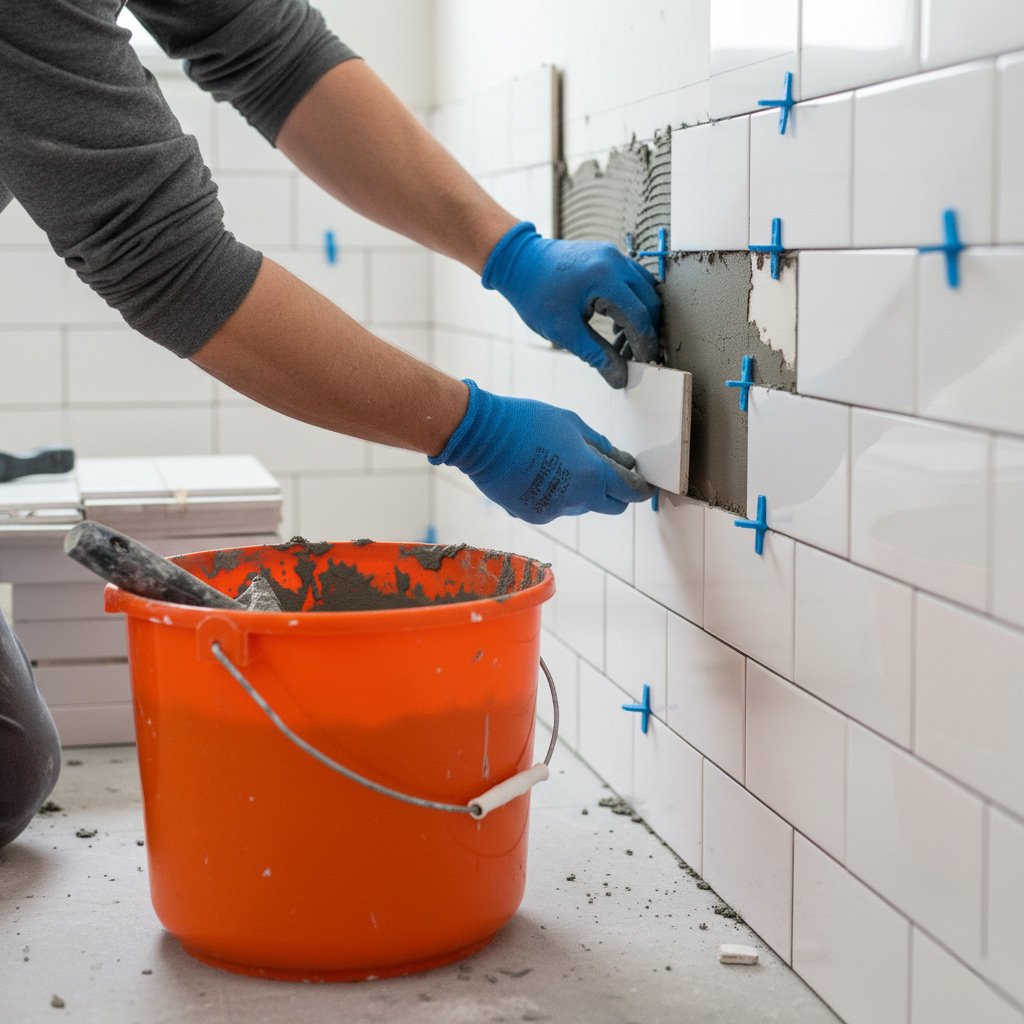
Picture this: you walk into a sleek, tile‑finished shower tomorrow, and the only thing you’re paying for is the bragging rights.
Most homeowners rush the tub‑to‑shower swap, skimp on the prep work, and end up with leaks, uneven floors, or a shower that looks like a DIY nightmare. Those shortcuts can cost you thousands more down the road.
Living in Mesa adds its own twist—high desert heat, hard water, and strict city permits mean you can’t just copy‑paste a generic plan and hope for the best.
Stick around and you’ll learn the three costly mistakes that turn a simple remodel into a financial headache, plus how to dodge them like a pro.
Understanding Mesa Building Codes & Permit Requirements
In Mesa, a tub‑to‑shower swap isn’t a free‑for‑all. The city treats every bathroom remodel like a small construction project, which means you’ll need a permit before you even lift a tile. Skipping this step can shut down the job, bring fines, or force you to rip out work you’ve already paid for.
What the City Wants From You
The permit packet is a checklist, not a mystery. You’ll be asked for:
- Site plan showing the new shower footprint.
- Plumbing schematics that prove the drain meets code.
- Proof of contractor licensing if you hire help.
- Details on ventilation to keep moisture in check.
Every item must line up with Mesa’s Building Code Chapter 5, which governs wet areas. The code insists on a minimum 2‑inch fall toward the drain and a waterproof membrane that can survive the desert heat.
How to Get the Permit Fast
Don’t wait for the city to call you back. Submit a clean, complete application and attach:
- Signed contractor agreement.
- Product data sheets for the shower pan and waterproofing system.
- Inspection schedule you’ll follow.
When the paperwork is tight, the inspector can sign off in a day or two. That’s the difference between a weekend project and a month‑long nightmare.
Assessing Your Existing Plumbing and Structural Layout
Before you tear out the tub, you need a clear map of what’s hiding behind the walls. A quick visual inspection can save you from nasty surprises when the water starts flowing.
Locate the Main Drain and Supply Lines
Turn off the water, remove the access panel, and trace the copper or PEX pipes. Look for corrosion, old fittings, or any signs of wear that could cause leaks later.
- Drain pipe size – most tubs use a 2‑inch pipe; showers often need a 1½‑inch line.
- Check the slope – the pipe should run downhill at about ¼ inch per foot.
- Identify the vent stack – a missing vent can create suction and slow drainage.
Mark the pipe locations with painter’s tape. This simple step keeps the demolition crew from cutting where they shouldn’t.
Evaluate the Floor Structure
Most Mesa homes have a wood joist system beneath the tub. You’ll need to confirm the joists can support a new shower pan and any added weight from tile.
- Measure joist spacing – 16 inches on center is standard.
- Inspect for rot or termite damage – replace any compromised boards.
- Consider a reinforced shower pan – it distributes load evenly.
When you know the exact layout, you can plan the new shower without guessing. That’s the difference between a smooth conversion and a costly redo.

Selecting Shower Materials That Withstand Mesa’s Hard Water and Heat
Know the enemy: hard water
In Mesa, the water is packed with calcium and magnesium. Those minerals love to cling to porous surfaces, turning a pristine tile into a chalky mess in months. Choose non‑porous options like full‑body porcelain or high‑density quartz that won’t drink the water.
When you pick a material, ask yourself:
- Does it have a sealed glaze?
- Can it be cleaned with a mild vinegar solution without etching?
- Is it rated for high‑mineral environments?
Heat‑proof your shower
Desert summers push bathroom temperatures higher than you’d expect. Some tiles expand, crack, or lose their color when they get hot. Large‑format porcelain slabs and tempered glass panels stay stable under the sun’s glare.
Look for products that list a thermal expansion coefficient matching the substrate. That way the floor and walls move together, not against each other.
Seal, protect, repeat
Even the toughest material needs a shield. A high‑quality penetrating sealer adds a barrier against mineral stains and heat‑induced discoloration. Reapply every 12‑18 months—think of it as a quarterly oil change for your shower.
Quick checklist:
- Apply sealer in a well‑ventilated space.
- Use a microfiber cloth for even coverage.
- Let it cure 24 hours before the first use.
Mastering Waterproofing: Membranes, Drain Installation, and Slope
Choose the Right Membrane
In Mesa, the desert heat can expand and contract tile, so a flexible waterproofing membrane is non‑negotiable. Look for a sheet‑type product with a built‑in vapor barrier; it seals gaps that liquid‑tight caulk can’t.
Apply it in three layers:
- Prep the substrate – clean, level, and dry.
- Lay the first sheet, overlap seams by at least 6 in.
- Seal seams with a high‑quality seam tape and a thin coat of liquid sealant.
Tip: Run a flood test before you tile. If water stays put, you’re good to go.
Drain Installation Done Right
The drain is the weak link in most DIY swaps. A linear or center‑drain with a proper PVC trap prevents back‑flow and keeps the shower floor dry.
Key steps:
- Position the drain at the lowest point of the slope.
- Secure the flange with stainless‑steel screws – rust is a nightmare in hard water.
- Connect to the existing waste line using a 2‑inch ABS pipe; keep the trap at least 2 in above the floor.
Don’t forget to test for leaks after the mortar sets. A few drops now save a flood later.
Get the Slope Perfect
Even a half‑inch difference can cause water to pool. Aim for a 1/4‑inch drop per foot toward the drain – that’s the sweet spot for Mesa’s water pressure.
Use a laser level or a simple string line with a line level to check the pitch before you pour the mortar. Once the slope is set, back‑fill with a sand‑cement mix that stays flexible under temperature swings.

Common Installation Pitfalls: Leveling, Drain Placement, and Ventilation Errors
Leveling Mistakes
Even a half‑inch tilt can turn a pristine shower into a water‑logged mess. Don’t trust the old concrete slab—measure, re‑measure, and use a laser level before you set the base.
Typical slip‑ups include:
- Skipping the self‑leveling underlayment and hoping the existing floor is flat.
- Relying on a single point of reference instead of checking all corners.
- Installing tile before confirming the slope, which forces you to cut tiles awkwardly.
Drain Placement Slip‑ups
The drain must sit at the lowest point of the shower floor; otherwise you’ll see standing water after every use. Many DIYers position the drain based on aesthetics rather than function, and that’s a recipe for leaks.
Watch out for:
- Placing the drain too far from the wall, which shortens the slope and creates puddles.
- Using a standard 2‑inch drain when the code calls for a 3‑inch trap for Mesa’s high‑flow fixtures.
- Neglecting to test the slope with a level and a bucket of water before sealing.
Ventilation Oversights
A shower without proper airflow becomes a mold magnet, especially in Mesa’s dry heat that can swing to humidity after a rainstorm. Vent fans must be sized correctly and vented to the exterior, not just the attic.
Common errors include:
- Installing a fan with insufficient CFM for the shower’s square footage.
- Routing ductwork through a soffit that traps moisture.
- Forgetting to include a timer or humidity sensor, so the fan shuts off too soon.
Case Study: A Seamless Tub‑to‑Shower Conversion in a Mesa Home
The Challenge
When the Martinez family decided to ditch their aging claw‑foot tub, they imagined a sleek, low‑maintenance shower that could survive Mesa’s hard water and scorching summer days. Their existing bathroom was cramped, the floor sat on a slight slope, and the city required a new permit for any plumbing changes. Skipping the homework would have meant costly re‑work.
The Solution
Our crew tackled the project in three focused phases, each designed to keep the budget tight and the timeline short.
- Permit & code check: We filed the required City of Mesa permit, confirming the new drain met the 1/4‑inch per foot slope rule.
- Plumbing audit: Existing copper lines were rerouted with minimal pipe cuts, preserving the original water pressure.
- Water‑proofing upgrade: A liquid‑applied membrane was rolled over the subfloor, then a pre‑sloped shower pan was installed to guarantee drainage.
Materials were chosen for durability: a quartz‑blended tile that resists etching from hard water, and stainless‑steel fixtures that won’t corrode under desert heat. The crew also added a low‑profile linear drain to improve flow and reduce cleaning time.
The Outcome
The Martinez bathroom now boasts a spacious, tile‑finished shower that drains perfectly, even after a heavy rainstorm. They saved roughly $4,200 by avoiding common pitfalls like improper slope and sub‑par waterproofing. The family says the upgrade feels like a boutique spa—without the boutique price tag.
Final Words
Even after the tiles are set and the water runs clean, the job isn’t truly done until you’ve double‑checked the paperwork and the little details that keep a shower from turning into a leak‑fest. A quick walk‑through with your contractor can catch a missed vent or an unsecured drain before it becomes a costly repair.
Take Action Today
- Verify that the Tub to Shower Conversion permit is stamped and filed.
- Run a water test for at least 24 hours; watch for drips at seams and around the curb.
- Ask for a maintenance guide that covers hard‑water cleaning and grout sealing.
When you follow these simple checkpoints, you lock in the value of your remodel and keep the bathroom looking fresh for years. It’s not rocket science—just a few smart habits that separate a professional finish from a homeowner’s nightmare.
People Also Ask
Do I need a permit for a tub‑to‑shower conversion in Mesa?
Yes, Mesa requires a building permit for any bathroom remodel that alters plumbing or structural elements. Obtaining the permit ensures the work meets local codes and avoids fines or resale issues.How can I prevent hard‑water stains on my new shower?
Choose water‑resistant materials such as quartz or porcelain tile and install a high‑efficiency water softener. Seal grout and fixtures regularly to minimize mineral buildup.What is the proper slope for a shower floor in Arizona?
A minimum slope of 1/4 inch per foot toward the drain is recommended to ensure water drains quickly. Improper slope can cause pooling and costly water damage.Why is waterproofing critical in a tub‑to‑shower remodel?
A reliable waterproofing membrane protects the subfloor and framing from leaks, which can lead to mold and structural decay. Skipping this step often results in expensive repairs down the line.Can I reuse my existing bathtub plumbing for a new shower?
In many cases, the existing drain and supply lines can be adapted, but they must be inspected for size, condition, and code compliance. Re‑routing may be necessary to meet proper slope and venting requirements.
Mesa Bathroom Remodel specializes in bathroom renovations, drawing on years of experience to serve homeowners throughout Mesa, Arizona. Their team blends local knowledge with skilled craftsmanship to create functional, stylish spaces tailored to each client’s vision. Committed to personalized service, they guide projects from design through completion with attention to detail and reliability.
Need Bathroom Remodel?
We transform outdated bathrooms into modern, functional spaces in as little as two weeks, serving Mesa and surrounding ZIPs (85201, 85203, 85204, 85281, 85224). Our streamlined process keeps disruption low and results high.
Get Bathroom Quote