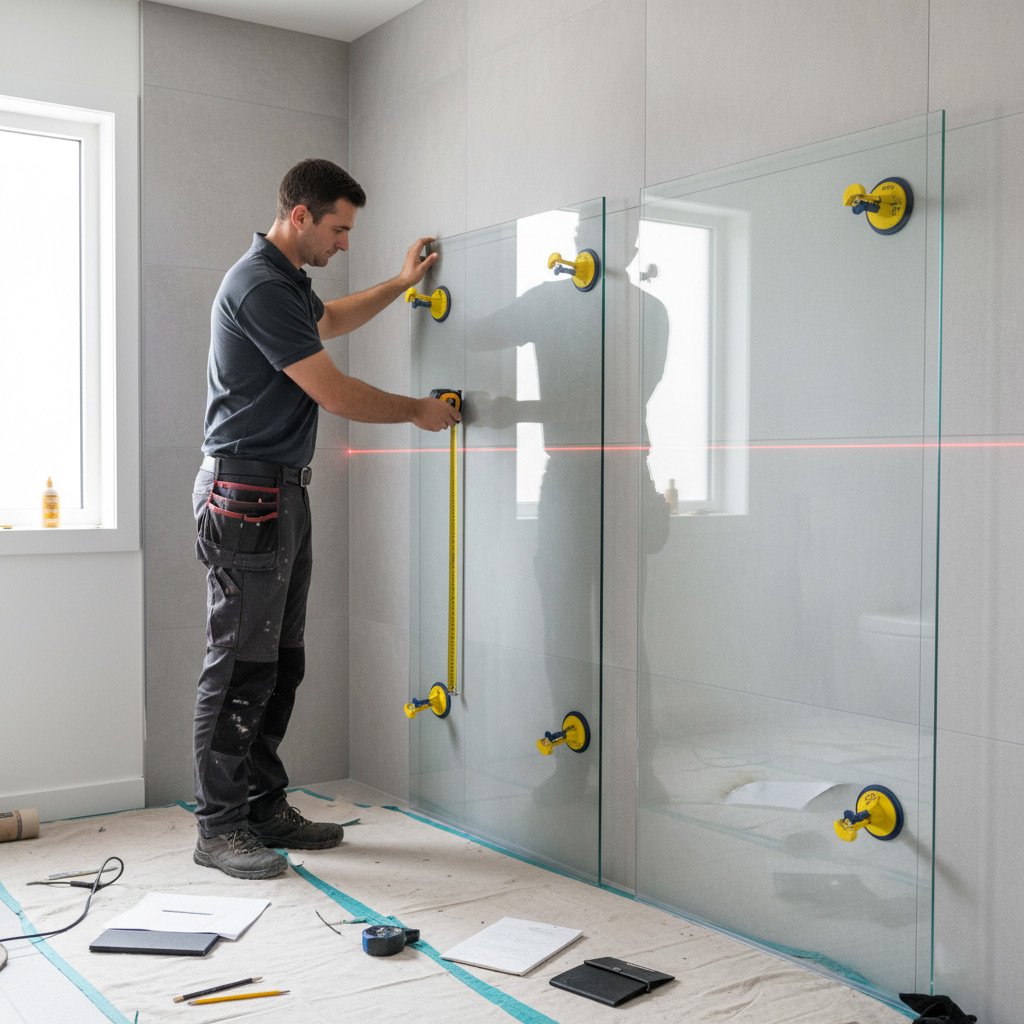
Picture this: you step out of the desert sun, close the bathroom door, and sink into a tub that lifts you in like a gentle lift‑up. No climbing, no awkward maneuvers—just pure, effortless comfort.
In Mesa, where the heat can turn a regular shower into a sauna, a walk‑in tub becomes more than a luxury; it’s a smart upgrade that keeps you safe and relaxed. It’s the kind of upgrade that makes guests ask, “Where did you get that?” and neighbors start planning their own.
Most people assume the installation is a maze of permits, plumbing tricks, and endless decisions. What if I told you there’s a clear, step‑by‑step plan that cuts through the noise and gets you soaking in weeks, not months?
Ready to see exactly how you can turn that vision into reality without the guesswork? Keep reading and we’ll walk you through every move.
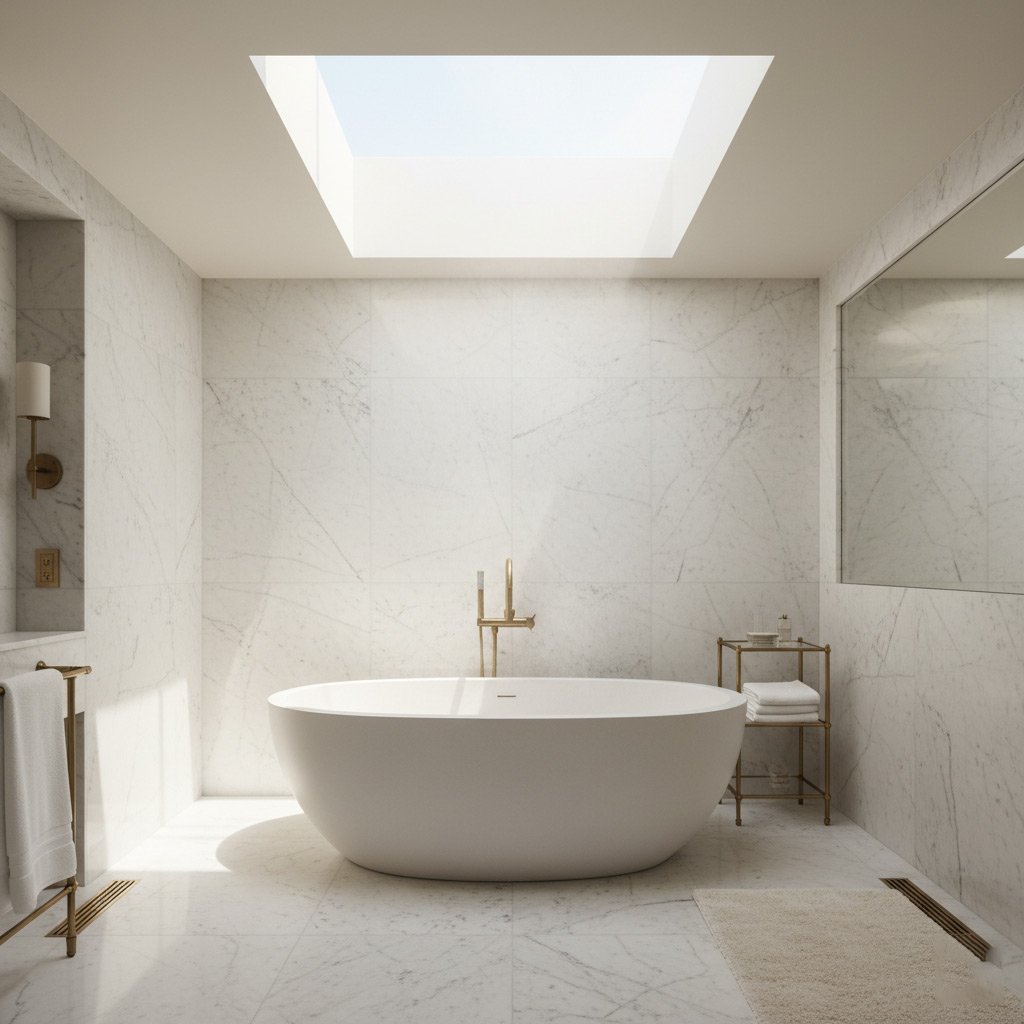
Assessing Your Space & Budget: Key Considerations for Mesa Homes
Measure Twice, Cut Once
Start by pulling out a tape measure and sketching the bathroom’s footprint. Clearance matters—you’ll need at least 30‑inches of walking space around the tub and a 24‑inch door swing.
Check the floor’s load‑bearing capacity; older homes may need joist reinforcement before a heavy acrylic tub sits down.
- Floor‑to‑ceiling height: ensure the tub’s door can open fully without hitting the ceiling.
- Existing fixtures: note the location of the toilet, vanity, and any built‑in shelves.
- Ventilation: a good exhaust fan prevents moisture buildup in the desert heat.
Budget Realities
Set a realistic ceiling before you fall in love with every feature on the catalog. A basic walk‑in tub starts around $4,000, but add‑ons like heated seats, jets, and custom surrounds can push the total past $10,000.
Don’t forget the hidden costs: demolition, new plumbing lines, and possible electrical upgrades for lighting or heated water.
- Labor: Mesa contractors typically charge $80‑$120 per hour.
- Permits: expect $150‑$300 for a residential remodel permit.
- Financing: many local lenders offer 0‑% interest for 12‑month terms on home improvements.
Lifestyle Fit
Think about who will use the tub and how often. Seniors appreciate a low‑step entry, while active families might prioritize a quick‑drain system.
Consider resale value; a well‑installed walk‑in tub can be a selling point in Mesa’s senior‑friendly market.
- Climate: choose a tub with a built‑in heater to combat Mesa’s chilly winter nights.
- Maintenance: acrylic surfaces are easy to clean, a boon when dust settles after a desert storm.
- Future proofing: leave extra space for potential grab‑bar installations down the line.
Choosing the Right Walk‑In Tub Model & Features for Desert Climate
Size & Shape
In Mesa, space is a premium, so start by measuring the footprint of your current bathtub and the clearance around it. Compact, rectangular models slip into tight corners, while a curved, freestanding tub creates a spa‑like vibe if you have the room.
- Measure width, depth, and height twice – a mis‑step costs time and money.
- Leave at least 24‑inches of clearance for door swing and wheelchair access.
- Consider a low‑profile tub if ceiling height is limited.
Must‑Have Features
Desert heat means you’ll appreciate a tub that fights the chill and the sweat. Look for built‑in heaters, insulated walls, and a quick‑drain system that prevents water from lingering.
- Thermostatic water temperature control – no more guessing.
- Anti‑slip flooring and grab bars – safety first.
- Hydro‑massage jets with adjustable pressure – perfect after a day in the sun.
- Low‑flow faucet and showerhead – keep utility bills in check.
Local Support & Warranty
Choosing a brand with a Mesa service network saves you headaches when something needs fixing. A solid warranty signals confidence; aim for at least five years on the tub shell and two years on electronic components.
- Check for a local dealer who can provide same‑day parts.
- Read reviews from other Mesa homeowners – real‑world performance matters.
- Ask about annual maintenance packages; a quick check can extend the tub’s life.
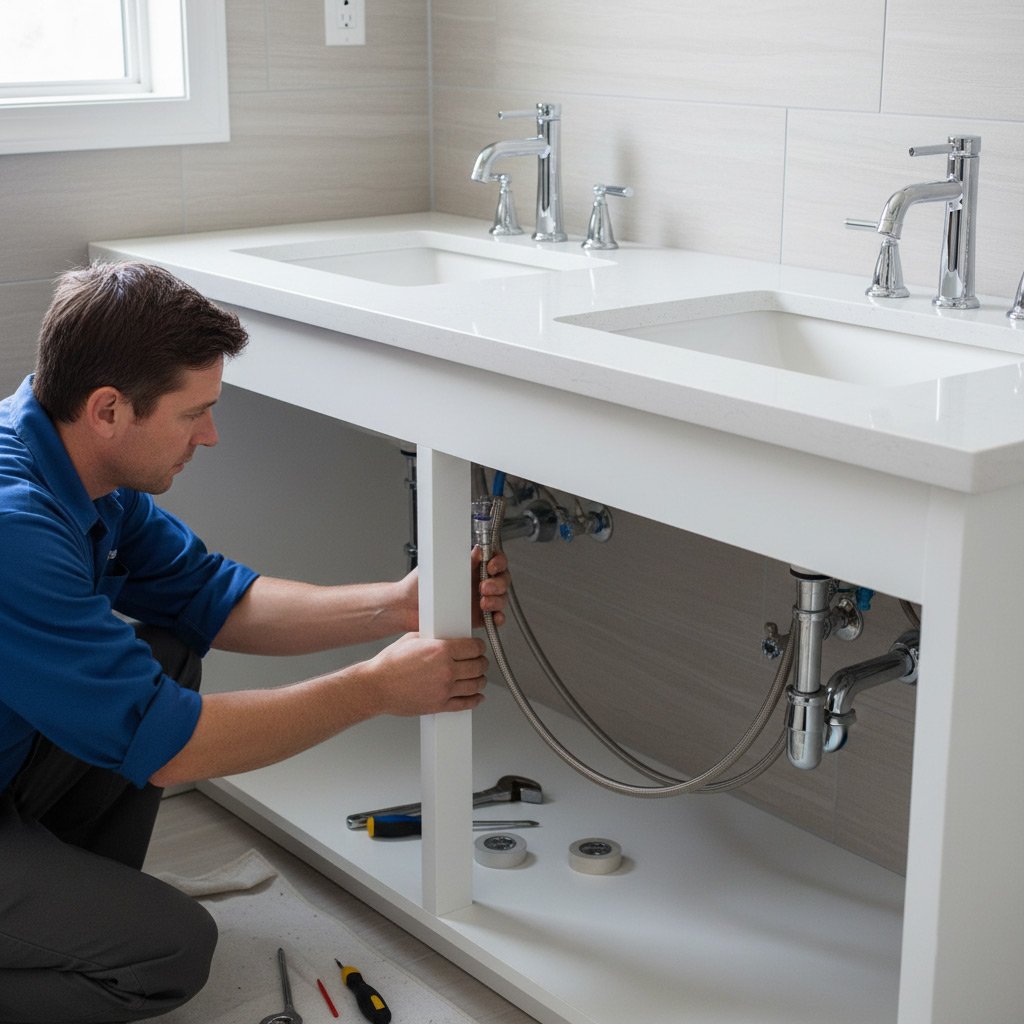
Navigating Permits, Codes, and Structural Requirements in Mesa
Know the Local Rules
Before you swing a hammer, the City of Mesa wants to see a paper trail. A building permit is mandatory for any bathroom remodel that changes plumbing or load‑bearing walls. The permit fee is modest—usually under $150—but skipping it can cost you a fine or a forced teardown.
What You’ll Need to Submit
- Permit application – available online or at the Planning & Development Services office.
- Detailed layout showing the new tub’s footprint and any wall removals.
- Plumbing schematic that meets the 2018 International Plumbing Code adopted by Mesa.
- Structural calculations if you’re cutting into a stud wall or adding a support beam.
Structural Must‑Haves
Walk‑in tubs are heavier than a standard bathtub, especially when filled. Your floor must support at least 150 lb per square foot. If the existing joists are 2×6, you’ll likely need a sistered beam or a steel reinforcement kit.
Don’t assume the contractor will handle the paperwork. Ask for a copy of the approved permit and keep it on site; the inspector will want to see it before the final sign‑off. A clean, code‑compliant install saves you headaches and protects your investment for years to come.
Plumbing & Electrical Prep: Preparing Your Bathroom for Installation
Check the water lines
First, locate the existing supply pipes. Turn off the main valve and drain the lines to avoid surprises.
Measure the distance from the shut‑off to the tub’s inlet. If the run is longer than the manufacturer’s spec, you’ll need a longer flexible hose or a new branch line.
- Copper is king in Arizona heat – it holds up.
- PEX works too, but verify it’s rated for hot water.
- Mark any elbows that will need extra support.
Power considerations
Most walk‑in tubs have a built‑in heater and jets, so a dedicated 240‑V circuit is a must.
Run a new conduit from the breaker box to the tub location. Keep the wire away from any water‑exposed surfaces – safety first.
- Use #10 gauge wire for most models.
- Install a GFCI breaker; it’s required by Mesa code.
- Label the circuit clearly for future work.
Prep the bathroom shell
Remove the old tub and any leftover caulk. A clean, flat surface makes the new unit sit like a glove.
Inspect the floor for cracks. Fill any low spots with a self‑leveling compound before you pour the new sub‑floor.
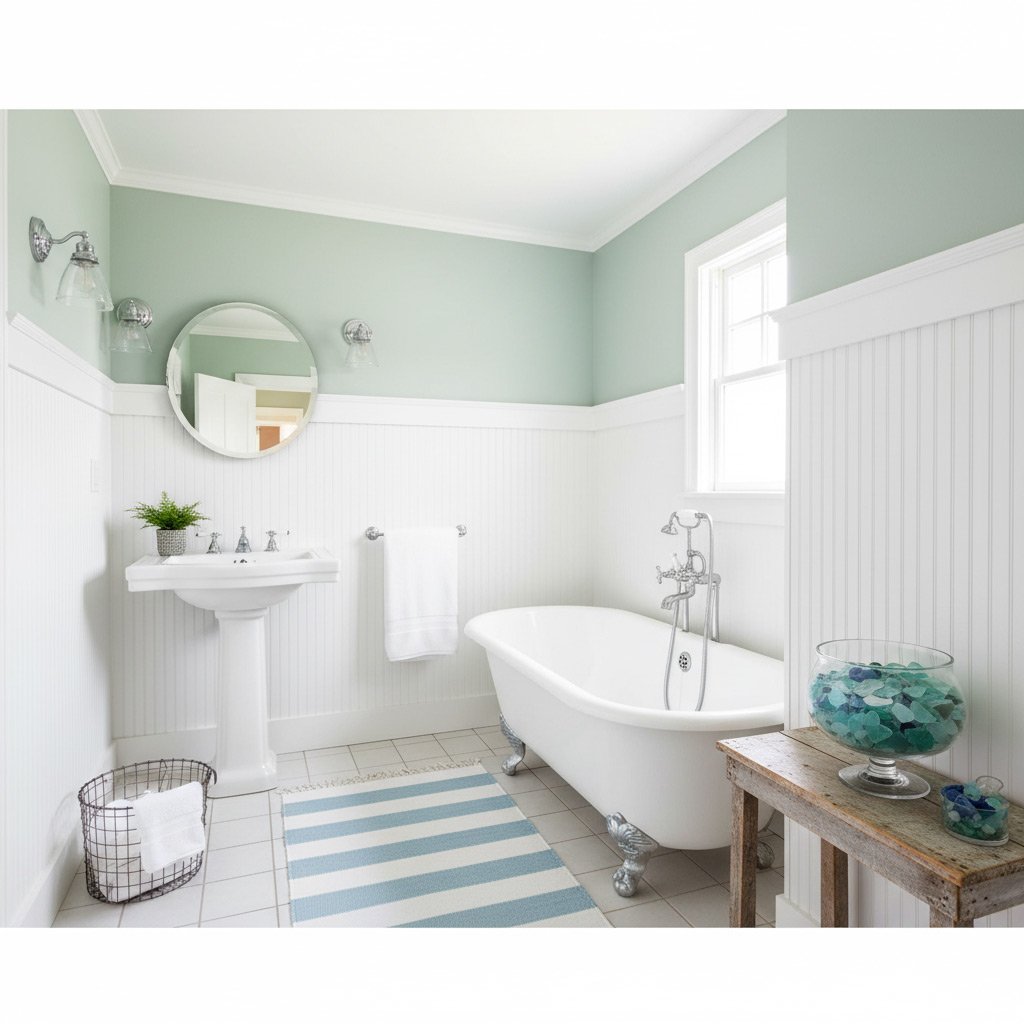
Professional Installation Process: From Demolition to Final Fit‑Out
Demolition & Prep
First, the crew clears out the old tub, removes tile, and checks the sub‑floor for rot. We don’t guess – we expose the joists, spot any water damage, and mark the exact footprint of the new walk‑in tub.
Once the space is naked, we protect surrounding walls with drop cloths and seal off dust. That way your kitchen stays clean and your neighbors don’t hear a racket all day.
Rough‑In Work
Next comes the plumbing and electrical backbone. Our licensed plumber runs new supply lines, installs a dedicated shut‑off valve, and adds a low‑flow faucet that handles Mesa’s heat without wasting water.
- Electrical: A GFCI‑protected outlet is placed within arm’s reach for the tub’s built‑in heater and lighting.
- Framing: We reinforce the floor joists to bear the tub’s weight plus a person’s mass – safety first.
- Insulation: A layer of spray foam keeps the tub warm and cuts down on energy bills.
Finish & Inspection
With the guts in place, we set the tub, level it, and seal every joint with marine‑grade silicone. One quick test of the water pressure and the heater confirms everything works.
Finally, we walk you through the controls, hand you the warranty paperwork, and leave the bathroom spotless. Ready to step in and feel that gentle lift‑up you imagined.
Case Study: Transforming a Mesa Senior’s Bathroom into a Safe Oasis
The Challenge
Mrs. Ramirez, 78, lived in a modest Mesa ranch home where the bathroom was a tight, tile‑filled box. She struggled with the high tub wall and slipped on the slick floor after a summer shower. The goal was simple: replace the hazard with a walk‑in tub that fit the existing footprint without blowing the budget.
The Solution
Our crew measured the space, then selected a low‑profile, hydro‑therapy model that thrives in desert heat. We kept the original tile to preserve the home’s charm and added a few upgrades that made a world of difference:
- Non‑slip, heat‑resistant flooring around the tub.
- Built‑in handrails that blend with the tub’s sleek lines.
- Thermostat‑controlled water that stays warm without wasting energy.
Installation took four days: demolition, plumbing reroute, electrical prep, and the final fit‑out. All permits were secured in under a week, thanks to our pre‑approved paperwork package.
The Result
Mrs. Ramirez now steps into her tub with a gentle lift‑up, no climbing, no fear. She reports better sleep, less joint pain, and a bathroom that feels like a spa retreat. The project cost $9,800, well under the $12,000 estimate she received from other contractors, and the whole process wrapped up in just three weeks.
Final Words: Your Path to a Comfortable, Safer Bathing Experience
Now that you’ve seen the roadmap, the decision feels less like a gamble and more like a smart move. Imagine stepping into that warm, supportive tub after a long day in the desert heat. It’s not a fantasy—it’s a reachable upgrade for any Mesa home.
Take Action Today
- Review your budget and set a realistic ceiling.
- Pick a walk‑in tub model that handles Mesa’s temperature swings.
- Contact a licensed installer to verify permits and structural needs.
- Schedule a plumbing and electrical inspection before demolition.
- Plan a timeline: demolition, prep, install, final walk‑through.
When you’re ready, reach out to a local pro who knows the Walk In Tub category inside out. A quick call can lock in a free on‑site assessment, and you’ll be one step closer to a bathroom that works for you, not against you.
People Also Ask
What size walk‑in tub fits a typical Mesa bathroom?
A standard walk‑in tub ranges from 48 to 60 inches wide and 30 to 36 inches deep, which fits most full‑size bathrooms in Mesa homes. Measure your existing space and allow at least 6 inches of clearance on each side for safe entry and exit.Do I need a building permit to install a walk‑in tub in Mesa?
Yes, Mesa requires a building permit for any major bathroom remodel that involves plumbing or structural changes. Your contractor will submit the permit application and ensure the installation meets the city’s code requirements.How does the desert climate affect walk‑in tub maintenance?
The hot, dry climate can cause water spots and mineral buildup faster than in humid areas. Use a mild, non‑abrasive cleaner and wipe the tub dry after each use to keep the surface pristine.Can I keep my existing bathtub plumbing when adding a walk‑in tub?
In many cases, the existing drain and water supply can be adapted to a walk‑in tub, but it depends on the tub’s dimensions and valve configuration. A licensed plumber will assess compatibility during the prep phase.What safety features should I look for in a walk‑in tub for seniors?
Key features include a low step‑in threshold, built‑in grab bars, a non‑slip floor, and a quick‑drain system. Some models also offer heated seats and hydro‑massage jets for added comfort and therapeutic benefits.
Mesa Bathroom Remodel specializes in high-quality bathroom renovations, bringing over 15 years of craftsmanship to homes across Mesa. Their team combines local knowledge with a commitment to detail, ensuring each project reflects the unique style of the community. Serving Mesa residents, they prioritize reliable service and lasting results.
Need Bathroom Remodel?
We transform outdated bathrooms into modern, functional spaces in as little as two weeks, serving Mesa and surrounding ZIPs (85201, 85203, 85204, 85281, 85224). Our streamlined process keeps disruption low and results high.
Get Bathroom Quote