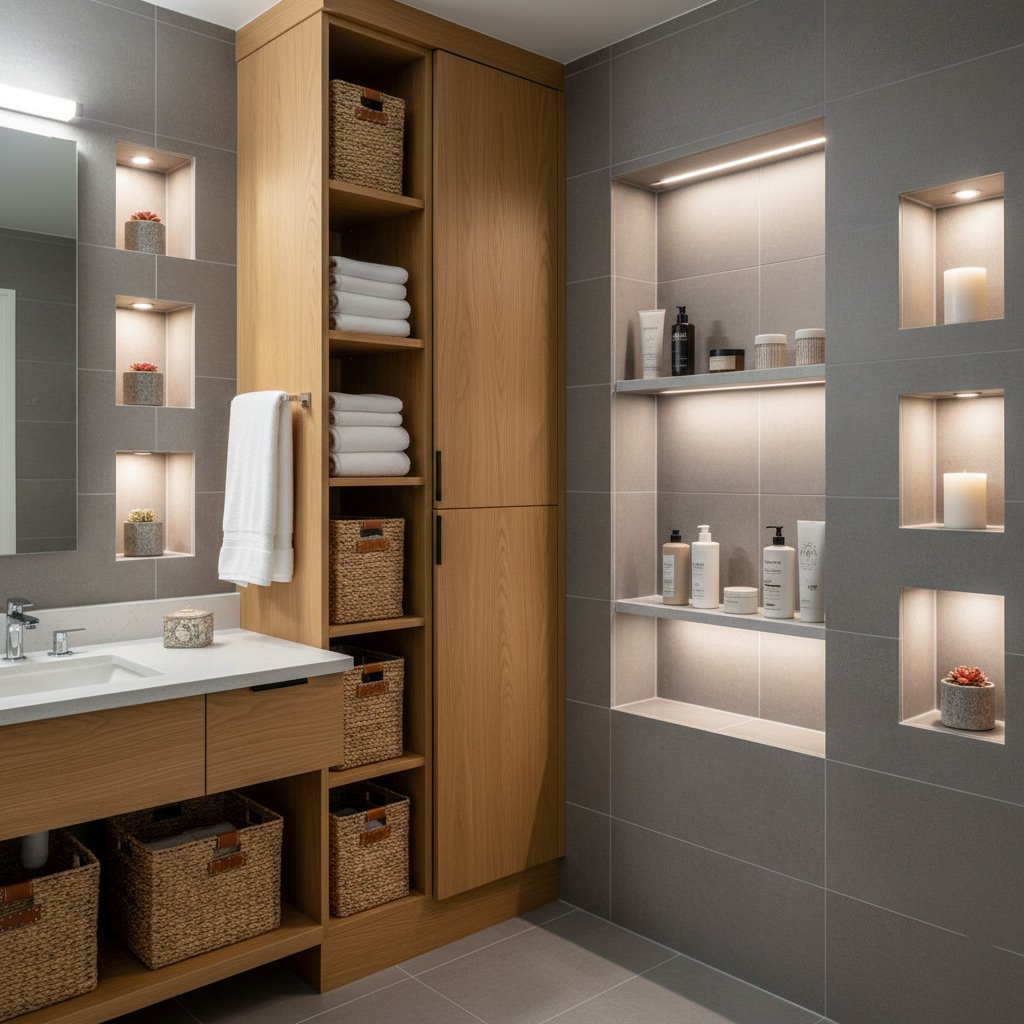
Picture this: you step out of a steaming shower and slide straight into a deep, inviting tub that feels like a private oasis—no extra square footage, no major demolition, just pure comfort.
In Mesa, where the desert heat makes a cool soak after a long day feel like a miracle, homeowners are swapping out cramped showers for versatile tub‑and‑shower combos that double as a relaxation hub and a kid‑friendly splash zone.
What started as a budget‑friendly upgrade quickly turned into a resale weapon; real‑estate agents report that homes with a well‑executed conversion sell faster and often fetch a higher price.
Ready to discover why this simple switch is becoming the go‑to move for Mesa families looking to boost both lifestyle and property value? Keep reading to see the full story.
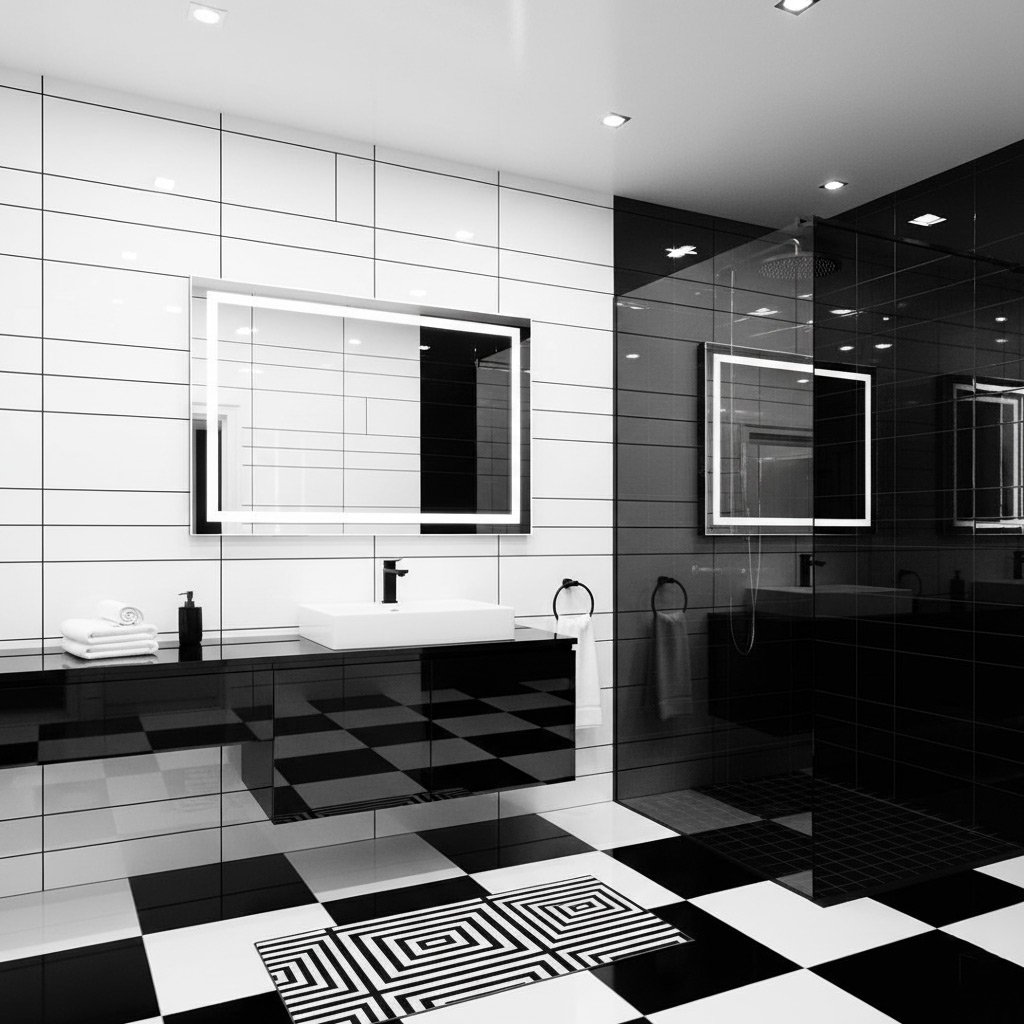
Why Shower‑to‑Tub Conversions Are a Smart Investment for Mesa Homeowners
In Mesa’s scorching summer, a cool soak feels like a secret weapon. Swapping a cramped shower for a tub‑and‑shower combo adds instant luxury without expanding the footprint, and the numbers back it up: homes with a well‑done conversion often sell 5‑10% faster and at a higher price point.
Beyond resale, the upgrade solves everyday problems. Kids get a safe splash zone, seniors enjoy a low‑step entry, and the extra water volume lets you soak longer after a long day on the range. All of this comes with a modest budget compared to a full bathroom remodel.
What You Gain
- Increased home value – a single upgrade can boost appraisal figures.
- Better family functionality – one space serves showers, baths, and play.
- Energy‑wise savings – you can heat a smaller tub than a full‑size bathtub.
- Quick turnaround – most conversions finish in under two weeks.
Evaluating Your Bathroom Layout: Determining Feasibility and Space Requirements
Measure Twice, Cut Once
Start with a tape measure and a notepad. Record the width, depth, and height of the existing shower stall, plus the distance to the nearest wall, vanity, and door.
- Floor space: You’ll need at least 30‑inches of clear floor in front of the new tub‑shower combo.
- Ceiling clearance: A standard tub sits 14‑15 inches high; add a few inches for the showerhead.
- Plumbing run: Keep the drain within 12 inches of the current pipe to avoid costly rerouting.
Check the Skeleton
The tub adds weight, so the floor must be up to the task. Confirm that the joists are at least 2×8 lumber and spaced 16 inches on center.
- Look for sagging or squeaky spots—signs of weak support.
- If you spot a concrete slab, you may need a reinforcement mat.
- Consult a structural engineer only if you see cracks or uneven flooring.
Plan the Flow
Think about how people move in and out. Door swing, towel bars, and the bathtub’s entry point should never block each other.
- Leave a minimum of 24 inches between the tub edge and any fixed fixture.
- Make sure the shower curtain or glass door can open fully without hitting the vanity.
- Consider a low‑step entry if kids or seniors will use the tub regularly.
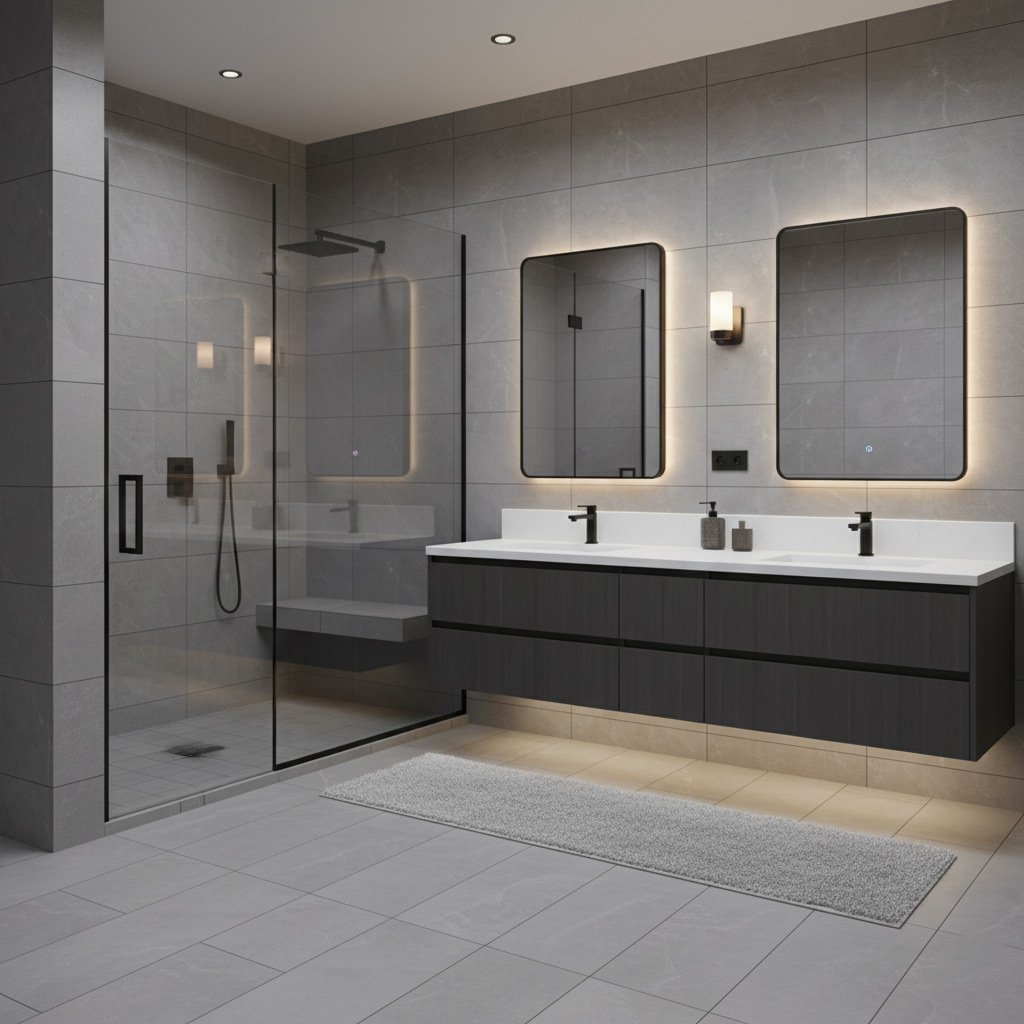
Design Choices That Blend Desert Aesthetics with Functional Comfort
Think warm sand tones, sun‑bleached wood, and crisp white tiles. These colors echo the Mesa horizon while keeping the space bright and airy. Pair them with a sleek, low‑profile tub to keep the look modern, not dated.
Fixtures matter as much as paint. Choose brushed‑nickel or matte black hardware for a rugged feel that won’t clash with desert hues. Water‑saving showerheads give you comfort without inflating the bill—perfect for those scorching afternoons.
Materials That Stand Up to Mesa Heat
- Porcelain tile – resistant to heat, easy to clean, and available in stone‑look finishes.
- Engineered quartz – looks like marble but won’t crack under sun‑baked conditions.
- Recycled glass mosaics – add sparkle without sacrificing durability.
Don’t forget texture. A subtle pebble‑in‑the‑floor shower floor offers a spa‑like slip resistance while reminding you of the desert floor. Add a reclaimed‑wood vanity to bring in natural warmth without sacrificing storage.
Navigating Arizona Building Codes, Permits, and Budget Planning
Arizona’s building code isn’t a mystery—just a checklist. Every shower‑to‑tub conversion must meet the 2018 International Residential Code (IRC) as adopted by the state, which means proper drainage, waterproofing, and clearances. Miss a step and you risk a failed inspection, a costly redo, or even a fine.
What the Code Demands
- Minimum floor slope: 1/4 inch per foot toward the drain.
- Water‑resistive barrier (WRB) behind all tile or liner.
- Clearance of at least 30 inches between the tub edge and any fixed fixture.
- Ventilation that meets ASHRAE 62.2 standards for moisture control.
Getting the paperwork right saves time. The city of Mesa requires a building permit before any demolition, and a plumbing permit for new drain lines. Submit a simple one‑page plan, pay the fee (usually $150‑$250), and schedule the inspection within 30 days.
Permit Process Made Simple
- Download the Mesa Permit Application online.
- Attach a sketch showing existing layout and proposed tub‑shower combo.
- Include product specs for the tub, shower pan, and any new valves.
- Pay the permit fee and wait for the confirmation email.
Budgeting isn’t just about the tub price tag. Factor in demo labor, waterproofing membrane, new plumbing, and the permit fees. A typical conversion in Mesa runs $7,000‑$12,000, but a well‑planned project can stay under $9,000 by sourcing fixtures locally and timing the work during off‑peak seasons.
Smart Budget Planning Tips
- Get three quotes from licensed contractors; compare line‑item costs.
- Ask for a detailed cost breakdown before signing.
- Set aside a 10% contingency for unexpected issues like hidden rot.
- Consider a DIY prep phase (demo, demolition) to shave $1,000‑$2,000 off the total.
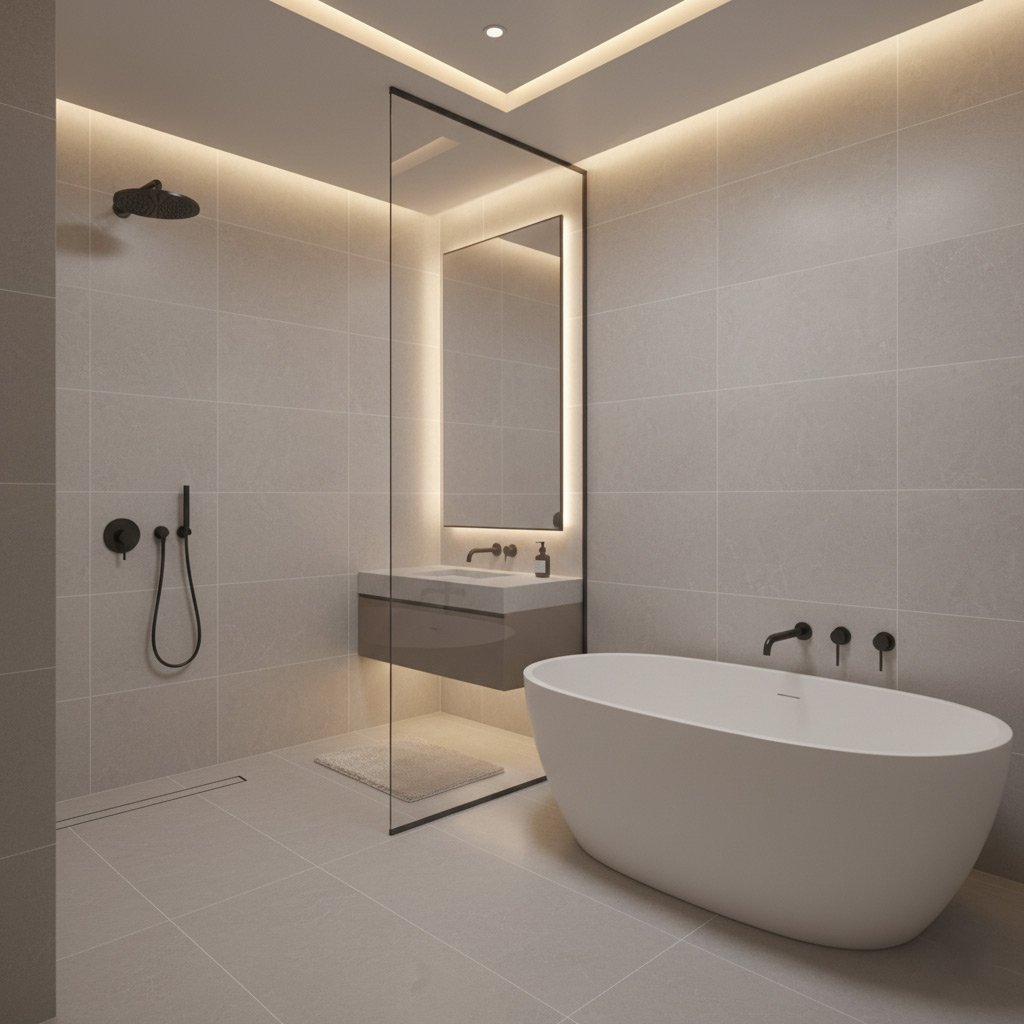
Step‑by‑Step Guide to the Conversion Process: From Demo to Finishing Touches
Demo Phase
First, clear the old shower. Pull out the tile, remove the shower pan, and cap any exposed pipes. This is the moment you see the true footprint of your new tub‑shower combo.
- Safety first: wear goggles and a dust mask.
- Turn off water at the main shut‑off valve.
- Label each pipe before disconnecting it – saves a lot of guesswork later.
Plumbing & Framing
Now the guts get a makeover. Reroute the drain to accommodate a deeper tub, and install a new overflow line if needed. Framing adjustments ensure the tub sits level and the walls can support the added weight.
- Use PVC for waste lines; it’s cheap and reliable.
- Add extra joists under the tub area – a simple 2×6 sister board does the trick.
- Run a dedicated hot‑water line for a spa‑like soak.
Finishing Touches
With the skeleton in place, it’s time for the wow factor. Install slip‑resistant tile, a glass enclosure that lets desert light flood in, and a handheld showerhead for flexibility.
- Seal all grout with a penetrating sealer to protect against Mesa’s dry air.
- Choose a tub with a built‑in overflow to keep water levels safe.
- Add a recessed niche for shampoo, soap, and a small plant – a tiny oasis.
Case Study: A Mesa Family’s Journey from Cramped Shower to Spa‑Like Tub‑Shower Combo
The Starting Point
When the Martinez family moved into their 1998 ranch, the master bath featured a narrow, glass‑enclosed shower that felt more like a closet than a sanctuary. Morning rushes turned into a daily frustration, and the kids begged for a tub where they could splash without flooding the hallway.
The Transformation
We began with a quick layout audit, confirming that a 36‑inch tub could slide into the existing shower footprint without moving walls. The plan called for a shower‑to‑tub conversion kit, a low‑profile tile floor, and a sleek, brushed‑nickel faucet that doubles as a handheld sprayer.
- Pre‑fabricated tub‑shower combo – saves time and money.
- Tile slip‑resistant surface – perfect for kids.
- LED accent lighting – adds a spa vibe after sunset.
The Payoff
Three weeks after demolition, the Martinez bathroom emerged as a dual‑purpose oasis. The kids now have a safe spot for bath time, and the parents enjoy a deep soak after a long shift at the hospital. Real‑estate agents who toured the home said the upgrade felt like a “must‑have” feature, and the family’s appraisal jumped $12,000.
Final Words
When you decide to turn a cramped shower into a tub‑and‑shower combo, you’re not just adding a fixture—you’re adding a lifestyle upgrade that pays off in comfort and resale value. Every square foot counts in Mesa, and a well‑executed conversion makes that space work harder for you.
What to Expect Next
- Free on‑site assessment – we measure, we advise, we plan.
- Transparent quote – no hidden fees, just clear numbers.
- Fast permitting – our crew handles the paperwork so you don’t have to.
Our team treats each project like a partnership. We listen, we design, we deliver. From demolition to the final tile, you’ll see progress daily, and you’ll know exactly where your money is going.
Ready to Start?
Take the first step and explore our Shower to Tub Conversion page. Schedule a consultation, ask questions, and let us show you how a simple switch can transform your bathroom into a desert‑ready oasis.
People Also Ask
What are the main benefits of converting a shower to a tub in Mesa homes?
Converting a shower to a tub adds versatile bathing options, increases resale value, and provides a relaxing spa‑like experience that suits the desert climate. It also maximizes limited bathroom space by combining two fixtures into one.How much does a shower‑to‑tub conversion typically cost in Mesa, Arizona?
The average cost ranges from $3,500 to $7,500, depending on plumbing complexity, fixture selection, and finish materials. Budgeting for permits and any necessary structural modifications can affect the final price.Do I need a permit for a shower‑to‑tub conversion in Mesa?
Yes, Mesa requires a building permit for any plumbing or structural changes, including shower‑to‑tub conversions. Obtaining the permit ensures compliance with local codes and helps avoid future inspection issues.Can I keep my existing tile when converting a shower to a tub?
In many cases you can reuse existing tile, especially if it’s in good condition and matches the new design. However, adjustments may be needed to accommodate the tub’s footprint and waterproofing requirements.How long does the conversion process usually take?
A typical shower‑to‑tub conversion takes 1 to 2 weeks from demolition to final finishes, assuming no unexpected structural challenges. Scheduling with a licensed contractor helps keep the timeline on track.
Mesa Bathroom Remodel brings over a decade of specialized bathroom renovation experience to homeowners throughout Mesa, Arizona. Their team combines skilled craftsmanship with a deep understanding of local design trends to deliver functional, stylish spaces. Committed to personalized service, they work closely with each client to ensure every project reflects the unique character of the community.
Need Bathroom Remodel?
We transform outdated bathrooms into modern, functional spaces in as little as two weeks, serving Mesa and surrounding ZIPs (85201, 85203, 85204, 85281, 85224). Our streamlined process keeps disruption low and results high.
Get Bathroom Quote